Orbital compute
100+ kW racks
GPU racks push past 100 kW of continuous heat. The radiator, not the silicon, sets the ceiling on orbital data center scale.

CS1 · 150 kW thermal module · In development
A plug and play heat rejection module for high power spacecraft. Cold plate, pumped loop and deployable radiator under one part number, built on a flight proven class of architecture.
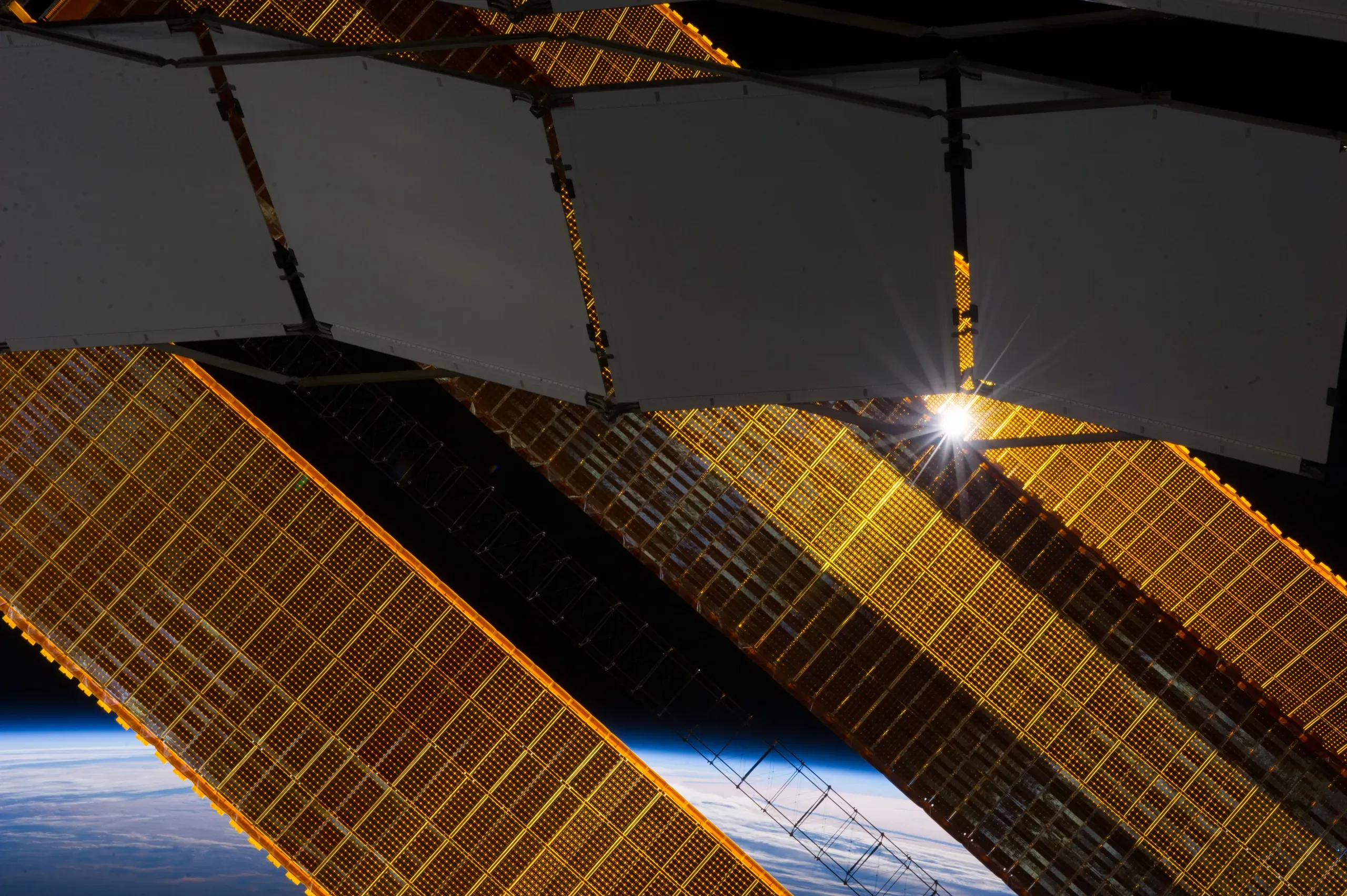
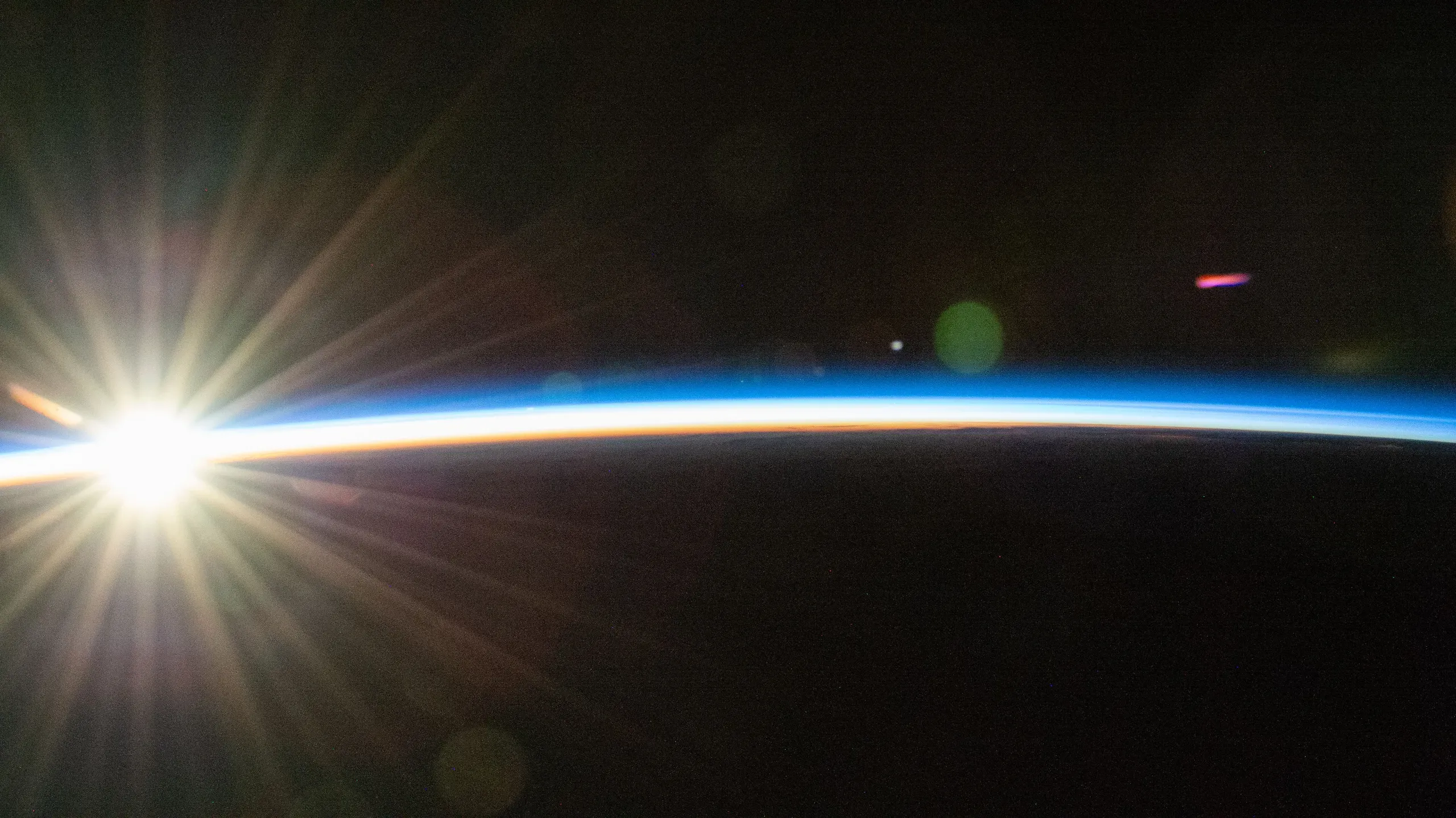
Orbital sunrise seen from the International Space Station. Image: NASA
01 / The problem
In vacuum there is no air to carry heat away. For a closed system, radiation is the only exit, and capacity scales with area and the fourth power of temperature. A single NVIDIA GB300 NVL72 class rack dissipates about 140 kW. Moving that heat from the chip to space is the hardest layer of orbital compute.
Orbital compute
GPU racks push past 100 kW of continuous heat. The radiator, not the silicon, sets the ceiling on orbital data center scale.
Power beaming
Laser and optical power chains reject waste heat at every conversion stage. Same wall, different payload.
High power payloads
High power apertures need the same rejection capacity with a simpler duty cycle, and no appetite to reinvent it.
02 / The product
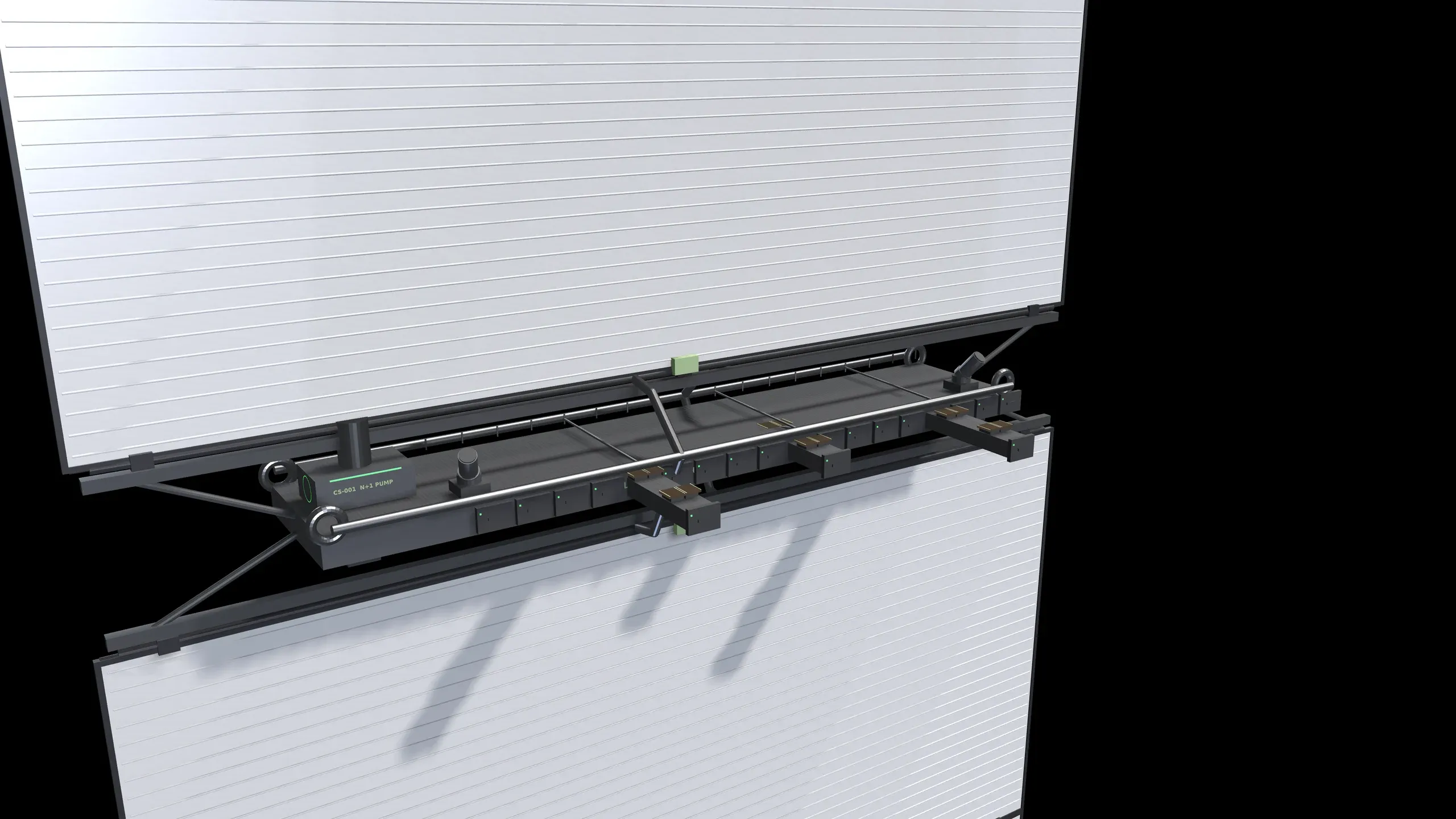
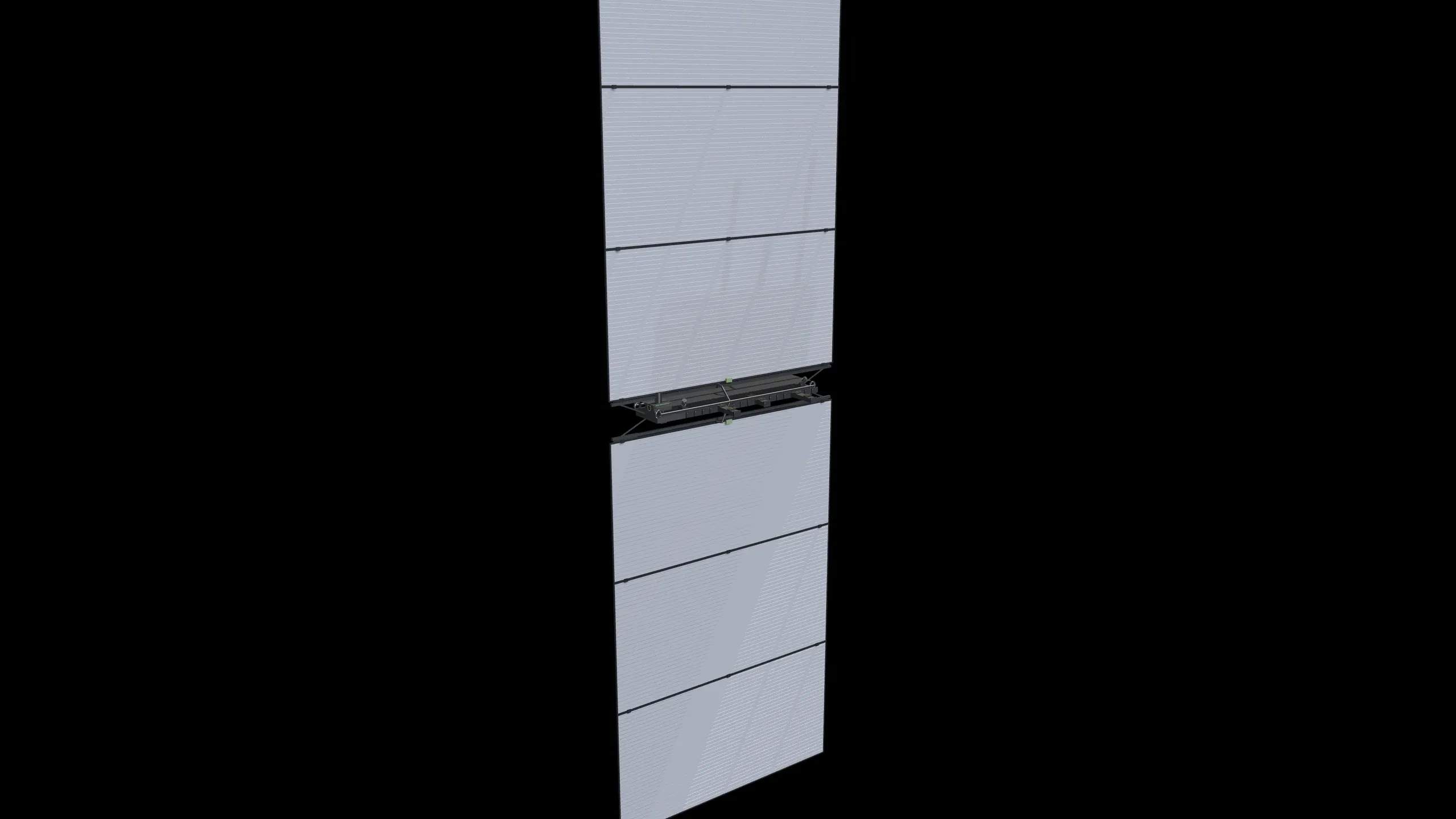
A standard, drop in thermal module: cold plate, pumped PGW loop and deployable tube and fin radiator. Your team bolts it on and ties it into the coolant loop. CS1 is sized to a full 150 kW heat load and anchored on an NVIDIA GB300 NVL72 class rack.
Chip side to space
01
Hands heat from the customer lid into our cold plate. Our spec starts at the lid.
02Our edge
Metal microchannel plate on each GPU, CPU and switch. Our main differentiator.
03
PGW warm loop, about 2 kg/s at a 20 K rise.
04
N+1. The only moving part, so it is built for reliability.
05
Metal tube and fin panel, warm at about 345 K, radiating from both faces, edge on to the sun.
06
Deployment mechanisms, micrometeoroid shielding and brackets. Scope is shared with the bus and settled per customer.
A
Cold plates mount straight onto the GPU packs. The tightest, highest performance path.
B
The radiator mounts on the back of the solar wing structure, still edge on to the sun.
03 / The architecture
We anchor on the closed, warm, pumped liquid loop with a metal radiator. Pumped loops and deployable radiators are an architecture family with flight heritage. It is a deliberate choice of proven hardware over novel radiating surfaces. Our job is to deliver that heat rejection as a drop in block that wins on cold plate performance, reliability, system mass and cost.
Flight proven class and TRL 7 describe the architecture family. CS1 hardware is in development and has not flown.
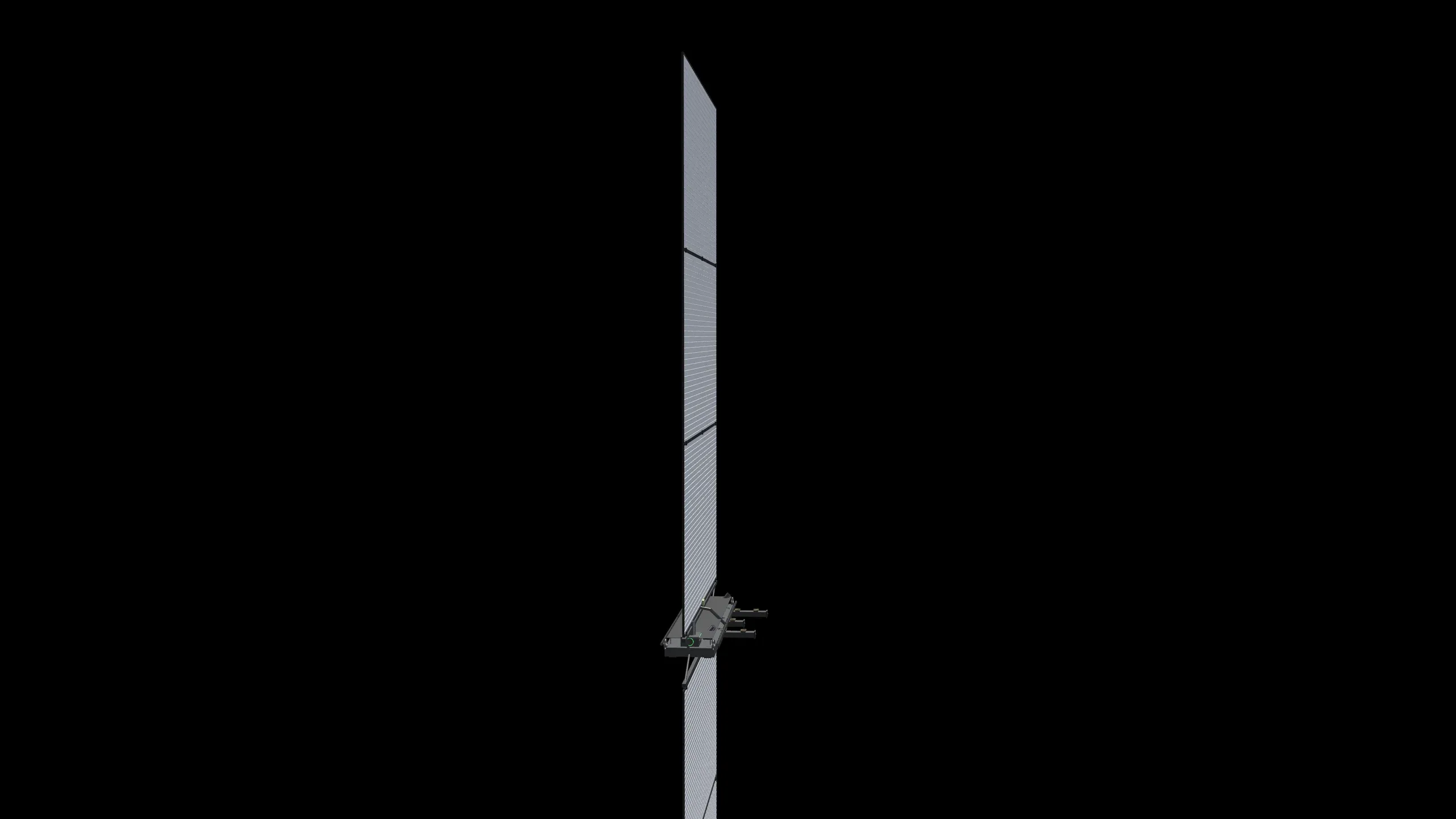
Reference class system: 150 kW peak over about 110 m² of two sided radiator at about 345 K, edge on to the sun, with redundant pumping loops and integrated micrometeoroid shielding.
Performance is won or lost at the chip interface. Metal microchannel plates are the baseline. A direct die option is on the roadmap.
One part number, two mounts. You bolt it on and tie into the coolant loop, so thermal stops being your critical path.
The pump is the only moving part and the first failure mode, so it is N+1 redundant by design.
04 / Headline specs
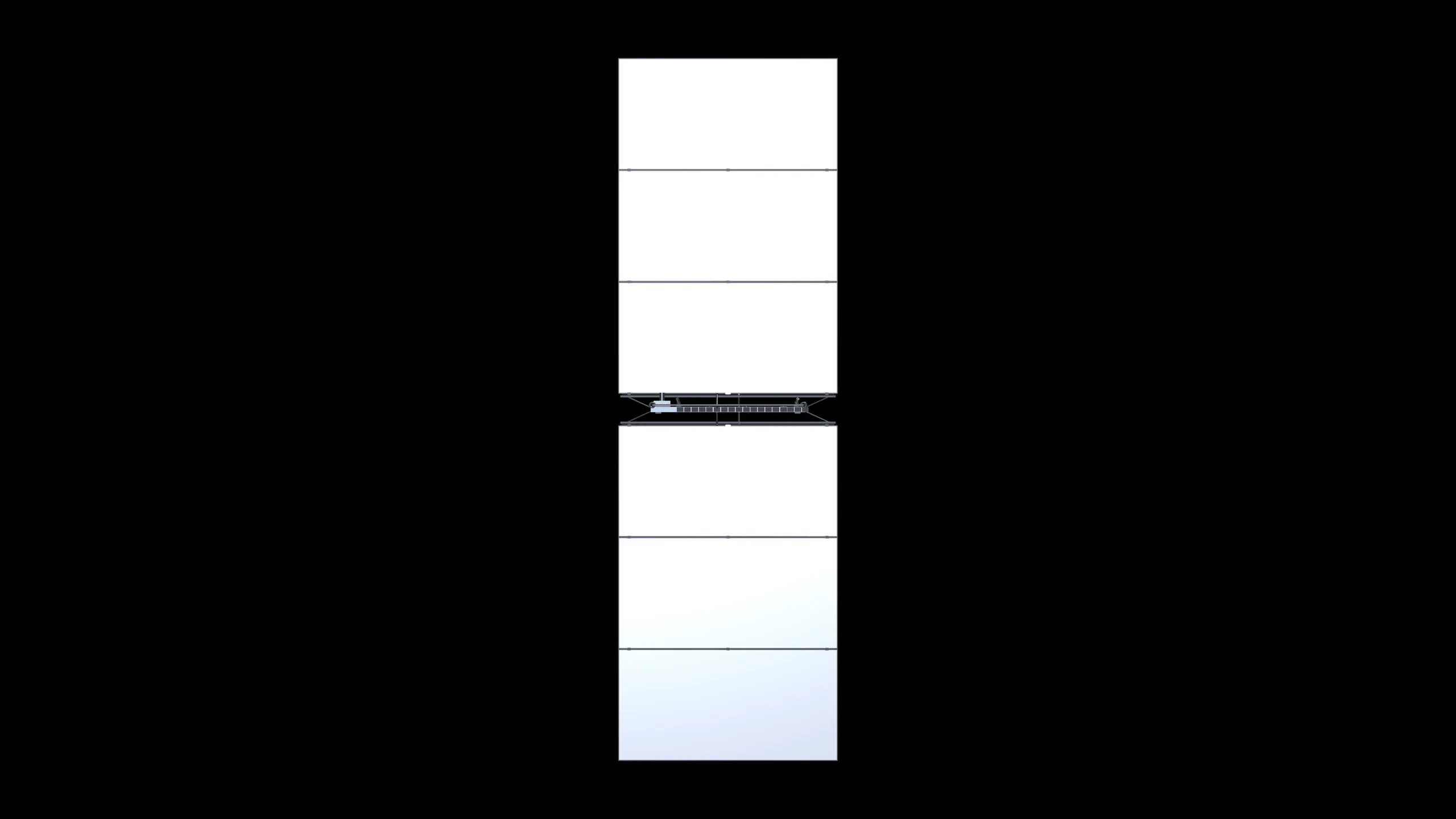
Figures are engineering targets for a product in development, stated at reference conditions: both faces radiating at about 345 K to a deep space sink, edge on to the sun. In low Earth orbit the effective sink is warmer, so the same load needs more area. Radiator sizing for a given orbit and attitude is set per mission. TRL 7 describes the architecture family, not flown Chiller Space hardware.
The detailed CS1 spec sheet is not a download. A person reviews each request, then sends it by email.
05 / Who it is for
Buyer 01
You reject 100+ kW of compute heat per rack. Integrate a thermal layer instead of standing one up in house, and keep your team on the data center.
Request CS1 specsBuyer 02
Your bus carries compute or high power payloads. Outsource the thermal layer as one part number with a clean interface. Brackets and scope are settled per customer.
Discuss integrationBuyer 03
Laser and optical conversion chains reject large waste heat. CS1 is sized for that load with a flight proven class of architecture.
Request CS1 specsBuyer 04
High power radar, optical and comms payloads need the same heat rejection with a simpler duty cycle. Same module, sized to your load.
Talk to usWe also offer thermal analysis and engineering as a service for integrators. It is a fast way to start working together.
06 / Path to purchase
Tell us your heat load, orbit, envelope and schedule. We respond within three business days.
We review each request, including who is asking and from where. After approval you receive the detailed CS1 spec sheet by email.
Interface control document and integration review with your engineers, under NDA.
Submit structured intent: a letter of intent or a purchase order request. It is not a binding order.
CS1 · 150 kW · Two mounts
Orbital sunrise over the Pacific Ocean, seen from the International Space Station. Image: NASA
07 / Request
Tell us about your mission. A person reviews every request before any detailed document is shared.